





Lambeth Council rules for bulky waste and rubbish fines
Posted on 02/06/2026
Lambeth Council rules for bulky waste and rubbish fines: a practical guide for residents, landlords and businesses
If you live or work in Lambeth, bulky waste can become awkward very quickly. A sofa left by the kerb, a broken wardrobe in a hallway, or a pile of mixed rubbish after a clear-out can attract complaints, missed collections, and in some cases a rubbish fine. That is the short version. The longer version is more useful: understanding Lambeth Council rules for bulky waste and rubbish fines helps you avoid stress, stay compliant, and get rid of items properly without creating a nuisance for neighbours or passing traffic.
This guide explains how bulky waste is usually handled, what often triggers enforcement, how to reduce the risk of a penalty, and what sensible disposal options look like in real life. It is written for people who want clear answers, not vague warnings. And fair enough, that is what most of us need when there is a mattress leaning against the wall and the lift is already full.
Contents
- Why Lambeth Council rules for bulky waste and rubbish fines matter
- How Lambeth Council rules for bulky waste and rubbish fines work
- Key benefits and practical advantages
- Who this is for and when it makes sense
- Step-by-step guidance
- Expert tips for better results
- Common mistakes to avoid
- Tools, resources and recommendations
- Law, compliance, standards and best practice
- Options, methods and comparison table
- Case study or real-world example
- Practical checklist
- Conclusion
- Frequently asked questions
Why Lambeth Council rules for bulky waste and rubbish fines matter
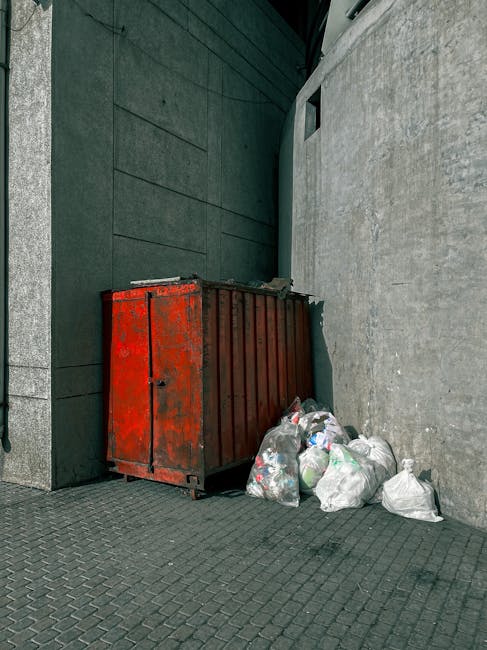
Bulky waste is not just "big rubbish". In practice, it usually means items that are too large for normal household bins or that need special handling, such as sofas, beds, mattresses, wardrobes, tables, appliances, and renovation offcuts. In a busy borough like Lambeth, leaving these items in the wrong place can quickly become an issue for safety, access, appearance and fly-tipping concerns.
That matters because councils expect waste to be stored and presented correctly. A box of recyclables left tidy beside the bin is one thing. A broken fridge, a builder's bag split open on the pavement, or mixed rubbish left after a move-out is another. The difference is often whether the waste is considered properly contained, scheduled for collection, and placed in line with local expectations.
There is also a practical side that people sometimes underestimate. If an item is left out too early, too late, or in a shared area without agreement, it can be mistaken for abandoned waste. Then you are dealing with complaints, possible enforcement, and the awkward conversation of proving it was yours. Not ideal on a wet Tuesday morning.
For households, landlords, managing agents, shop owners and office managers, the rules matter because one messy disposal decision can affect the whole property. If rubbish blocks a pavement, causes a pest issue, or attracts more dumping, the responsibility often spreads quickly. In our experience, the cheapest-looking solution is frequently the most expensive once you factor in time, clean-up and avoidable hassle.
How Lambeth Council rules for bulky waste and rubbish fines work
Lambeth Council's approach is built around a few common principles: waste should be contained, presented properly, and disposed of through the right route. The exact details can change over time, so anyone planning a clearance should check the current local requirements before putting anything outside. That said, the practical logic stays fairly consistent.
Here is the simple version. Normal household waste goes in the correct bins or bags. Recycling goes in recycling containers. Bulky items are not meant to be abandoned on the street or in communal spaces just because they are inconvenient. If a council collection option exists, it usually comes with booking requirements, item limits, or presentation rules. If it does not fit the standard route, you need a lawful alternative.
Fines generally come into the picture when waste is dumped, mispresented, or left in a way that creates a nuisance. In many cases, the enforcement issue is not the item itself but the behaviour around it: leaving waste outside too long, placing it in the wrong area, failing to separate rubbish, or using an unauthorised disposal method. A small mistake can look careless from the street, and councils do not tend to reward "I was going to move it later".
It helps to think in terms of risk points:
- Items left on the pavement without a valid collection arrangement
- Mixed waste bags that spill, tear, or scatter
- Bulky items placed beside communal bins without permission
- Fly-tipped waste disguised as a household clear-out
- Waste set out on the wrong day or far too early
There is a lot of confusion around responsibility. For flats, the managing tenant may think the landlord should handle it, while the landlord assumes the occupier will. For businesses, staff may think "someone else" has arranged disposal. Councils usually care less about internal confusion and more about who had control over the waste at the time. That is why a clear process matters.
If you are organising a larger disposal, it is wise to use a proper service route rather than improvising. Pages like waste clearance in Lambeth and rubbish removal in Lambeth are useful starting points when you need an arranged collection rather than a do-it-yourself guess.
Key benefits and practical advantages
Following the rules is not just about avoiding a fine, although that is obviously a big part of it. There are some very practical upsides to handling bulky waste properly in Lambeth.
- Less risk of enforcement: You avoid turning a clear-out into an avoidable council issue.
- Cleaner shared spaces: Communal hallways, front gardens and pavements stay usable.
- Better neighbour relations: Nobody enjoys stepping around a mattress for three days.
- Faster property handovers: Helpful for moves, lets, refurbishments and sales.
- Better recycling outcomes: Separating reusable, recyclable and general waste improves disposal quality.
- Lower stress: You know where items are going and when they are leaving.
Another benefit that is easy to overlook is reputation. For landlords and local businesses, rubbish left carelessly at the front of a property sends the wrong message. If you are trying to rent, sell, or keep customers comfortable, that first impression matters. A lot. Sometimes more than we admit.
There is also a cost angle. A well-planned disposal route can be more efficient than repeated trips, emergency fixes, or paying for last-minute clean-up after a complaint. If you are comparing disposal methods, take a look at pricing and quotes alongside the available service pages so you can weigh convenience against cost.
Who this is for and when it makes sense
This topic is relevant to far more people than you might think. Bulky waste and fines do not just affect people with garden junk piled up at home. The risk shows up in all sorts of everyday Lambeth situations.
Homeowners and tenants
If you are replacing furniture, clearing out a spare room, moving house, or dealing with damaged appliances, you need a sensible disposal plan. A quick "leave it outside" approach can backfire if collection timing is unclear or the property has shared access.
Landlords and letting agents
End-of-tenancy clearances are a common flashpoint. Old furniture, broken blinds, unwanted white goods and leftover bags can all lead to disputes. If the flat is in a block, communal spaces can make things more complicated very quickly.
Businesses and shop managers
Retailers, offices, cafes and small workshops often generate bulky packaging, old fixtures, shelving, or redundant stock. These are not the kind of items you want sitting outside overnight in central Lambeth or on a busy side street.
Builders and tradespeople
Fit-outs, refurbishments and small building projects create mixed waste, and that is where mistakes happen. Plasterboard, timber, old fixtures and bagged debris need sorted handling. It is not glamorous work, obviously, but it saves a headache later.
Estate sale, probate and house clearance situations
When a property needs clearing quickly, there is often a temptation to rush. That is understandable. Still, the waste still has to be managed properly. If you are dealing with a full property clear-out, house clearance in Lambeth can be a more practical route than trying to coordinate several separate disposal methods.
Step-by-step guidance
If you want to stay on the right side of Lambeth Council rules for bulky waste and rubbish fines, a methodical approach helps. It does not need to be complicated. It just needs to be orderly.
- Identify every item
List what you need to dispose of. Separate bulky furniture, appliances, builder's waste, garden waste, and bagged rubbish. A quick sort at the start prevents problems later.
- Check what can be reused or recycled
Some items may be suitable for donation, resale or a separate recycling route. Even if they are not, knowing this early helps you avoid throwing everything into one pile.
- Confirm the correct disposal route
For some waste, a council collection may be suitable. For larger, mixed, or time-sensitive jobs, a dedicated clearance service is usually easier. If the waste came from a workplace or renovation, the answer is rarely as simple as "pop it by the bins".
- Prepare the space
Move items to a safe, accessible location only when needed. Keep doors clear, protect walls if necessary, and avoid blocking shared walkways.
- Separate hazardous or sensitive materials
Paint, chemicals, sharps, certain electricals and some building materials may require special handling. Do not assume they can be mixed into general rubbish.
- Arrange collection or disposal
Book the right service and make sure the timing works for the property. If you need help with mixed waste or a larger clearance, waste clearance in Lambeth is often the most flexible option.
- Keep proof of what was removed
For landlords, letting agents and businesses, a record of what was collected can be genuinely useful if questions come up later. It keeps everyone calmer, which is no bad thing.
One small but valuable habit: take a photo before collection. It sounds a bit fussy, but when there are shared access issues or disputes over who left what, photos can save time and arguments.

Expert tips for better results
Most rubbish problems in Lambeth are not caused by dramatic misconduct. They are caused by ordinary people rushing. So the best tips are usually the boring ones. The boring ones work.
1. Don't mix waste types unless you know they belong together
Mixed waste is harder to handle, harder to sort, and more likely to cause issues. Keep bulky furniture separate from bagged rubbish, and keep construction debris away from household waste.
2. Use the shortest sensible storage window
Do not put items out days before they are due to move. The longer waste sits outside, the greater the chance of complaints, weather damage, scavenging, or mistaken fly-tipping assumptions.
3. Protect communal areas
If you live in a block, lift shafts, hallways and entrances should not become the temporary landfill. A slight exaggeration, but you get the point.
4. Plan around traffic and access
In parts of Lambeth, especially busier roads and narrower residential streets, access matters. A waste collection that looks simple on paper can become awkward if the vehicle cannot stop safely or the item cannot be carried without blocking the pavement.
5. Ask before you dump anything in shared bins
Shared bins are not a mystery solve-it-yourself puzzle. If it is not yours, or it is too large for the bin, do not assume it is acceptable.
For business premises, especially if you are dealing with office furniture, archived materials or retail fit-out waste, it helps to use a service designed for your setting. The information on office clearance in Lambeth can be useful when you need to clear desks, chairs, cabinets or mixed office waste without disrupting the working day.
And yes, sometimes the sensible choice is to book help rather than try to solve it with two borrowed trolleys and crossed fingers. Been there, seen it, not pretty.
Common mistakes to avoid
There are a few repeat offenders when it comes to bulky waste and rubbish fines. If you avoid these, you are already ahead of many people.
- Leaving items too early: Waste placed out too soon looks abandoned and attracts complaints.
- Assuming communal space is fair game: Shared entrances, stairwells and front gardens still need proper care.
- Mixing everything together: It complicates disposal and can increase risk.
- Ignoring items that need special treatment: Electricals, chemicals and construction materials can't always go in general rubbish.
- Relying on "someone else will move it": That is a classic route to fines and arguments.
- Using unofficial disposal shortcuts: Unclear or careless disposal can be treated very seriously.
A common one in flats is this: someone moves out, leaves a bed frame beside the bin store, and assumes the landlord will sort it. The landlord assumes the occupier arranged collection. The managing agent notices it only after residents complain. And suddenly there is a bigger problem than the original bed frame. Quite the chain reaction.
Tools, resources and recommendations
You do not need a toolbox full of gadgets to manage rubbish well, but a few simple habits and resources make life easier.
- A written waste list: Even a note on your phone helps you keep track of what is leaving.
- Measuring tape: Useful for checking whether bulky items will fit through corridors, lifts or exits.
- Basic gloves and protective footwear: Handy when sorting items, especially in storage areas or during clearances.
- Clear labels: Mark items for reuse, recycling, disposal or sensitive handling.
- Camera phone: A quick photo record can help with handovers and accountability.
If you are dealing with mixed waste, it is worth thinking about the full service picture rather than just the item by item problem. A page like services overview can help you understand the range of support available, while recycling and sustainability is useful if you want to reduce avoidable waste and make better disposal decisions.
For more about how the business approaches service quality and trust, the about us page is also worth a look. That can matter if you are choosing a provider for a sensitive clearance or a time-critical job.
Law, compliance, standards and best practice
While this article is focused on practical guidance, the compliance angle is straightforward: waste must be disposed of legally, responsibly and in a way that does not create a nuisance or hazard. In the UK, that usually means using authorised collection and disposal routes, keeping waste contained, and taking care not to cause fly-tipping or obstruction.
For residents, the biggest lesson is simple. If an item is not suitable for standard bins, do not improvise in a way that leaves uncertainty about ownership, location or timing. For landlords and businesses, the bar is a little higher because there is often a duty to manage premises safely and to keep waste arrangements organised.
Best practice usually includes:
- keeping waste streams separate where practical
- booking clearances in advance
- using a reputable and insured provider
- retaining collection details or records where appropriate
- avoiding any disposal method that could reasonably be seen as abandonment
Insurance and access are worth mentioning too. If waste is being removed from a property with tight stairwells, shared entrances or fragile surfaces, it is sensible to check how the job will be handled. The insurance and safety information can be useful if you want reassurance about how care is taken during a collection.
One caution: there is no shortcut that turns careless dumping into compliant disposal. The rules may look dull on the surface, but they exist for a reason. Neighbours notice. Enforcement notices follow. And the pavement never forgets.
Options, methods and comparison table
Different waste situations call for different methods. The "best" choice depends on the type of item, the amount, how quickly it must go, and whether the property is residential or commercial.
| Method | Best for | Pros | Watch out for |
|---|---|---|---|
| Council bulky waste route | Limited items that fit local rules | Can be suitable for simple, smaller clear-outs | May have booking rules, item limits, or timing constraints |
| Do-it-yourself disposal | People with transport, time and handling ability | Direct control over the process | Risk of incorrect sorting, multiple trips, and disposal errors |
| Professional rubbish removal | Mixed, heavy or urgent waste | Fast, practical, often easier for access and lifting | Choose carefully and make sure the service matches your waste type |
| House or office clearance | Whole-property or room-by-room clear-outs | Useful for end-of-tenancy, moves and refurbishments | Needs planning, access checks and clear item instructions |
For larger domestic jobs, house clearance in Lambeth often makes more sense than piecemeal disposal. For commercial premises, waste clearance in Lambeth can be the cleaner option when there is a mix of bulky and general waste.
Some readers also need specialised help. If your waste comes from a refurbishment or site job, builders waste disposal in Lambeth is the more relevant route. Garden waste is its own category too, so garden waste removal in Lambeth can be the right fit for branches, clippings and outdoor clear-ups.
Case study or real-world example
Imagine a small terraced property in Lambeth after a long-awaited declutter. There is an old sofa, two broken chairs, a mattress, a coffee table, and several bin bags from the loft. The owner means to deal with it properly but is juggling work, school runs, and a tired back. Classic life, really.
The first instinct is to leave the sofa outside "just for a bit" while arrangements are made. But there is a shared frontage, a narrow pavement, and neighbours passing on the way to the bus stop. Within hours, the space looks untidy. By evening, someone assumes it is abandoned and reports it.
A better approach would have been:
- sorting the items by type
- keeping them inside until collection is confirmed
- checking whether the items need a standard bulky waste route or a full clearance
- arranging a prompt removal so the frontage stays clear
In a case like that, a service designed for local collections can save time and reduce risk. If the property is being emptied for sale or after tenants move out, the blog post on house clearance in SE11 is relevant because it reflects the kind of practical pressure people feel during a local clear-out.
For businesses, the scenario is similar but messier in a different way. A small office in Vauxhall might replace furniture and want the old pieces gone before staff return Monday morning. In that setting, this guide to waste clearance for Vauxhall shops and offices fits the need for a discreet, organised removal that keeps the workspace presentable.
Practical checklist
Use this checklist before placing any bulky waste outside or booking a clearance.
- Have I identified every item that needs to go?
- Have I separated bulky waste, general rubbish, recyclable items and any special materials?
- Do I know whether the item can go through a standard local collection route?
- Have I checked access, parking and lifting issues?
- Will the waste remain inside or secure until collection time?
- Could any item be mistaken for abandoned rubbish if left out too early?
- Do I need proof or records of removal for landlord, tenant or business purposes?
- Is the chosen disposal method suitable for the waste type and quantity?
- Have I considered recycling or reuse before disposal?
- Do I need a full clearance rather than just a bulky-item pickup?
If the answer to any of those is "not quite", pause and tidy the process first. A few extra minutes now can save a lot of trouble later.
Conclusion
Lambeth Council rules for bulky waste and rubbish fines are not difficult once you break them down into practical habits: keep waste contained, use the right disposal route, avoid leaving items out too early, and never assume shared space means shared responsibility. That is the core of it. Everything else flows from there.
For residents, this means less mess and fewer disputes. For landlords and businesses, it means a smoother handover, a better impression, and less chance of avoidable enforcement. And for anyone staring at a pile of unwanted furniture or mixed rubbish, it means there is a proper way to handle it without turning the pavement into a problem.
When in doubt, choose clarity over convenience. It is a small thing, but it makes all the difference.
Get a free quote today and see how much you can save.
If you want to understand the company behind the service before making a decision, you can also read more on the about us page and explore the wider services overview for the most suitable option.


 Tipper Van - Rubbish Disposal and Rubbish Removal Prices in Lambeth, SW9
 Luton Van - Rubbish Disposal and Rubbish Removal Prices in Lambeth, SW9