




What to know about fly tipping fines in Lambeth
Posted on 10/06/2026

If you live, work, rent, or run a business in Lambeth, fly tipping is not just an eyesore. It can become a costly, stressful mess very quickly. The question many people ask is simple: what to know about fly tipping fines in Lambeth, and how do you avoid ending up with one? In practice, the answer depends on who dumped the waste, who can be linked to it, and whether you handled your rubbish properly in the first place.
This guide breaks the topic down in plain English. We will look at how fines and enforcement usually work, what counts as fly tipping, who is most at risk, and what sensible steps you can take if waste needs removing fast. There is a local angle too, because Lambeth is dense, busy, and full of shared bins, narrow streets, and back alleys where a small mistake can turn into a big headache. Let's make it clear, practical, and a bit less daunting.
- Why fly tipping fines in Lambeth matter
- How enforcement and fines usually work
- Key benefits of knowing the rules
- Who needs this advice most
- Step-by-step guidance
- Expert tips for staying on the safe side
- Common mistakes to avoid
- Tools, resources and recommendations
- Law, compliance and best practice
- Options and comparison table
- Case study or real-world example
- Practical checklist
- Frequently asked questions
Why What to know about fly tipping fines in Lambeth Matters
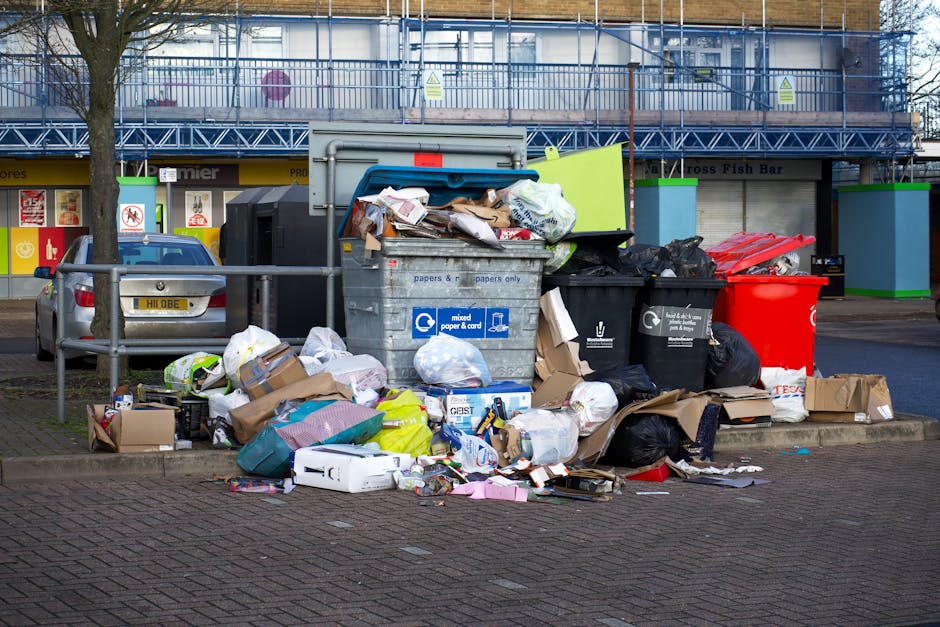
Fly tipping is one of those problems that spreads beyond the original act. A mattress dumped beside a wall can become a dumping point for bags, broken furniture, paint tins, and builder's debris. Before long, it is not just ugly; it can block access, attract pests, and create a public nuisance. In a borough like Lambeth, where streets are often busy and waste can build up quickly around homes, flats, shops, and worksites, the knock-on effect is noticeable fast.
For residents, the main risk is being blamed for waste that should never have been left out carelessly. For landlords and businesses, the risk can be even broader: poor waste arrangements, missing records, or using the wrong people to clear rubbish can create problems if an investigation starts. That is why understanding the basics matters. Not in a scary way. Just in a practical, sensible, protect-your-wallet kind of way.
There is also a simple truth here: if you know what officers and councils tend to look for, you can make better decisions. A lot of fines are avoidable when waste is handled properly, kept traceable, and removed through legitimate routes. And if you need support with larger clearances, services such as rubbish removal in Lambeth or waste clearance in Lambeth can help keep things organised rather than risky.
How What to know about fly tipping fines in Lambeth Works
Fly tipping generally means illegally depositing waste on land without permission. That can be anything from a single black bag left by a wall to a full van load of construction rubble tipped in an alley. The fine or penalty is usually tied to the circumstances: the amount of waste, the location, whether it appears deliberate, and whether the person responsible can be identified.
In real life, enforcement often starts with evidence. That might include the contents of dumped bags, labels, letters, delivery notes, CCTV, vehicle information, or witness reports. Sometimes the link is obvious. A cardboard box with your name on it is not ideal, to be fair. Other times it is more indirect, such as waste placed out in a way that suggests it came from a property with poor disposal controls.
Fly tipping fines in Lambeth are not something to "work out later". They can escalate from a fixed penalty style approach to more serious action if the matter is large-scale, repeated, or tied to commercial dumping. In the wider sense, the issue is less about a single number and more about enforcement risk. If you are unsure whether something counts as fly tipping, the safest assumption is usually that leaving rubbish somewhere without the right permission is a bad idea.
It is also worth separating legal disposal from casual dumping. A bag placed beside a communal bin that is already full may seem harmless at 8 pm on a wet Tuesday. But if it is not collected properly, and if it ends up outside the accepted waste system, it can still trigger complaints or investigation. Tiny detail, big consequences. London does that sometimes.
Key Benefits and Practical Advantages
Understanding the rules is not only about avoiding punishment. It also makes everyday waste decisions easier, especially if you are dealing with moves, renovations, clear-outs, or ongoing household overflow.
- Lower risk of fines: You are less likely to leave waste in the wrong place or hand it to the wrong contractor.
- Less stress during clear-outs: You can plan removal properly instead of guessing at the last minute.
- Better evidence if questions arise: Receipts, photos, and clear disposal records can help show you acted responsibly.
- Cleaner communal areas: That means fewer complaints from neighbours, managing agents, or local businesses.
- Stronger business compliance: Shops, offices, and landlords can avoid messy liability issues later.
There is a commercial side too. If you handle waste properly from the start, you are less likely to need emergency clean-ups, property management interventions, or awkward conversations with tenants and neighbours. For some readers, that alone is worth paying attention to. It sounds minor until it happens outside your front door.
For bigger jobs, it can help to look at the broader service picture through the service overview or compare practical options with pricing and quotes before waste becomes a problem in the first place.
Who This Is For and When It Makes Sense
This topic matters to more people than you might think. Fly tipping fines in Lambeth are relevant if you are:
- a homeowner clearing a loft, garden, or spare room;
- a tenant moving out and dealing with leftover furniture;
- a landlord managing end-of-tenancy waste;
- a shop owner with packaging, damaged stock, or old fittings;
- an office manager replacing furniture or clearing documents and equipment;
- a builder or tradesperson with rubble, timber, plasterboard, or mixed site waste;
- an executor or family member handling a house clearance;
- anyone tempted to leave an item beside a bin because it seems "close enough".
That last one deserves a gentle nudge. Close enough is not a waste strategy. In Lambeth, as in most busy boroughs, the difference between a lawful arrangement and a penalty can be a small one. A missed collection day, a broken-down lift, an overflowing communal bin store, or a badly chosen contractor can all create trouble.
If you are specifically dealing with bulky items or a large clearance, local advice content such as Lambeth Council rules for bulky waste and rubbish fines can be useful context alongside your own disposal plan.
Step-by-Step Guidance
If you want to stay clear of fly tipping trouble, it helps to use a simple process. Nothing fancy. Just the sort of routine that keeps you out of avoidable mess.
- Identify the waste properly. Separate household rubbish, bulky items, green waste, builders' waste, and anything hazardous. Mixed waste is where people often get caught out.
- Decide what can be reused or donated. If furniture, appliances, or fittings still have life in them, move them on responsibly rather than dumping them with general rubbish.
- Choose a lawful disposal route. That might be your own collection service, a licenced clearance provider, or an approved bulky waste arrangement. The point is to avoid shortcuts.
- Keep a paper trail. Save invoices, booking confirmations, and photos of what was removed. If there is ever a question, evidence matters.
- Do not leave waste in shared areas. Hallways, communal bin stores, alleyways, and pavement corners are common flashpoints for complaints.
- Check who is taking the waste. If you hire someone, make sure they are acting properly and not cutting corners. Cheap can become expensive very quickly.
- Act quickly when rubbish piles up. The longer waste sits around, the more likely it is to be moved, added to, or reported.
A real-life example? A small landlord gets given notice on a flat and finds an old sofa, two broken chairs, and some bagged rubbish in the hallway. If they leave it "for later", neighbours complain, the building manager gets involved, and suddenly there is a much bigger issue than three items of junk. Better to book a proper clearance and get it gone the same day if possible.
Expert Tips for Better Results
In our experience, the best way to avoid fly tipping fines is to treat waste like a tracked item, not an afterthought. A few small habits go a long way.
- Take photos before and after removal. Simple, but useful if there is a dispute.
- Keep waste separate where possible. Clean segregation makes disposal easier and usually safer.
- Be careful with builders' waste. Rubble, plasterboard, tiles, and timber often need a more specific plan than household rubbish.
- Use the right service for the job. A garden tidy-up is not the same as a post-refurb clearance.
- Think about access. Narrow stairwells, basement flats, loading bays, and timed parking all affect how waste should be collected.
- Check insurance and safety standards. A proper operator should be clear about how they work and how they manage risk.
If you are comparing providers, it is worth reading about insurance and safety as well as recycling and sustainability. Those pages help show the sort of standards a serious operator should be thinking about. Not just chuck-and-go, which, let's face it, is exactly the mindset that gets people into bother.
One more practical point: if you are in a hurry, same-day removal can be a useful pressure release. But urgency should not mean carelessness. Fast is fine. Messy is not.
Common Mistakes to Avoid
Most fly tipping problems come from a handful of repeat mistakes. The good news is they are straightforward to spot once you know what to watch for.
- Leaving waste beside communal bins: If it is not collected as part of the proper system, it can be treated as dumped waste.
- Handing rubbish to an unverified operator: If they dispose of it illegally, your name may still come back into the picture.
- Assuming "someone will take it later": That vague arrangement is exactly how waste ends up abandoned.
- Mixing hazardous items with general rubbish: Paint, chemicals, batteries, and certain electrical items need care.
- Skipping records: No receipt, no booking note, no proof. That is never ideal.
- Underestimating volume: A few items can become a van load once you start moving them out.
There is also a mindset mistake that is common in London: thinking that because an alley is hidden or a bin store is private, there is less risk. In reality, hidden spots are often where complaints are noticed later, not less often. Quiet does not mean invisible forever.
Tools, Resources and Recommendations
You do not need a complicated toolkit, but a few simple things make disposal cleaner and safer.
- Camera phone: Use it to document what you removed and where it was collected from.
- Basic inventory list: Handy for house clearances, office moves, and landlord voids.
- Labels or tape: Helpful when separating reuse items from waste.
- Access notes: Write down parking restrictions, entry codes, and lift issues before collection day.
- Clear booking details: Make sure you understand what will be taken, when, and from where.
For certain kinds of jobs, the most relevant support pages can save time too. For example, builders waste disposal in Lambeth is more appropriate for renovation debris, while garden waste removal in Lambeth fits seasonal cutbacks, soil, branches, and green waste. If you are dealing with a whole property, house clearance in Lambeth may be the more sensible route. Different job, different disposal approach.
And if you want a bit more background on the company itself, about us gives a feel for the people behind the service. That matters more than many readers think. Trust is not a buzzword here; it is the difference between a tidy process and a very expensive misunderstanding.
Law, Compliance, Standards, or Best Practice
When people search for fly tipping fines, they are often really asking two things: what is the penalty, and how do I stay compliant? The honest answer is that enforcement can vary depending on the facts. The exact outcome depends on whether the waste was deliberately dumped, whether it was linked to a household or business, and what evidence exists. So it is safer to think in terms of compliance rather than betting on a fixed outcome.
Good practice usually means the following:
- do not leave waste on public land, pavements, alleys, or shared spaces without proper arrangements;
- use legitimate collection and disposal routes;
- retain proof of removal where possible;
- make extra care with commercial, bulky, or mixed waste;
- check safety and access arrangements before collection;
- keep an eye on local guidance for bulky waste and household disposal expectations.
There is no glamour in paperwork, but that paperwork can protect you. If a complaint arises, being able to show that you booked a proper collection, separated waste correctly, and did not abandon items somewhere is a strong position to be in. Best practice, frankly, is cheaper than cleaning up a mistake later.
If you are planning a move or clear-out alongside other property work, you may also find nearby reading useful, such as Lambeth homes buy and sell or a guide to smart property purchases in Lambeth. It sounds unrelated at first, but property changes often trigger waste decisions, and those are where the risk starts sneaking in.
Options, Methods, or Comparison Table
Different waste situations call for different approaches. Here is a simple comparison that may help you choose the safer route.
| Option | Best for | Pros | Watch out for |
|---|---|---|---|
| Leave items out informally | Nothing, really | Feels quick in the moment | High fly tipping risk, neighbour complaints, likely poor outcome |
| Arrange a proper bulky waste solution | Single large items or a modest load | Structured and generally straightforward | Needs correct booking and timing |
| Book a professional clearance | House moves, office clearances, mixed waste | Efficient, traceable, less stressful | Choose carefully and keep records |
| Use a specialist waste route | Builders' debris or garden waste | More suitable for the material type | Wrong classification can still cause issues |
For many people, the choice comes down to volume, urgency, and how much access is involved. A single sofa in a ground-floor flat is one thing. A full office clear-out on a busy road in Lambeth is another story entirely. If in doubt, a formal waste clearance route is usually the calmer option.
Case Study or Real-World Example
A small shop in Lambeth closes for a refit and suddenly has shelving, stock packaging, broken display pieces, and a few awkward bits of waste to move. The first instinct is often to stack everything at the back and "sort it tomorrow". But tomorrow gets busy, the skip is delayed, and a pile begins to spill into the service area.
In a well-managed version of the same situation, the manager documents what needs removing, separates recyclable material where possible, books the right service, and keeps the collection confirmation. The result is much less noise, less disruption to the street, and no unnecessary risk of fines or complaints. A boring process, maybe. But boring is underrated when waste is involved.
Another common example is a family clearing a house after a move. They may think one old wardrobe and a few bin bags can wait by the wall. Then a neighbour adds more rubbish overnight and the whole area starts looking neglected. Once that happens, the original owner can get pulled into an issue they never wanted. The fix is usually simple: take responsibility early, remove the waste properly, and keep proof that you did.
Practical Checklist
Before you leave any waste out or hand it over for collection, run through this quick list.
- Have I identified exactly what the waste is?
- Does any of it need special handling?
- Have I chosen a lawful disposal method?
- Do I have proof of booking or removal?
- Is the access route clear and safe?
- Will anything be left in a communal or public area?
- Could this be classed as builders' waste, garden waste, or bulky waste rather than general rubbish?
- Have I checked the collection timing so nothing sits around for days?
- Have I chosen a provider with clear safety and insurance information?
- If anything goes wrong, can I show what I did and when?
If your answer to one or two of those is "not sure", pause and sort it out. It usually takes less time than dealing with a complaint later. And yes, that includes the annoying little jobs no one wants to think about at 7:30 in the morning before work.
Get a free quote today and see how much you can save.
Conclusion
The main thing to understand about fly tipping fines in Lambeth is that prevention is far easier than dealing with the consequences. Most problems start with rushed decisions, unclear responsibility, or waste being left in the wrong place. Once a complaint is made, the situation can move from inconvenient to expensive in a hurry.
If you remember only a few things, make them these: keep waste traceable, use the right disposal route, do not assume a communal area is fair game, and act quickly when rubbish starts building up. That small bit of care can save you stress, time, and money. Truth be told, it also makes your street look better, which never hurts.
And if you are facing a bigger clearance, there is no shame in getting help from a proper local service. The cleaner the process, the calmer everything feels. Sometimes that is the whole point.



 Tipper Van - Rubbish Disposal and Rubbish Removal Prices in Lambeth, SW9
 Luton Van - Rubbish Disposal and Rubbish Removal Prices in Lambeth, SW9